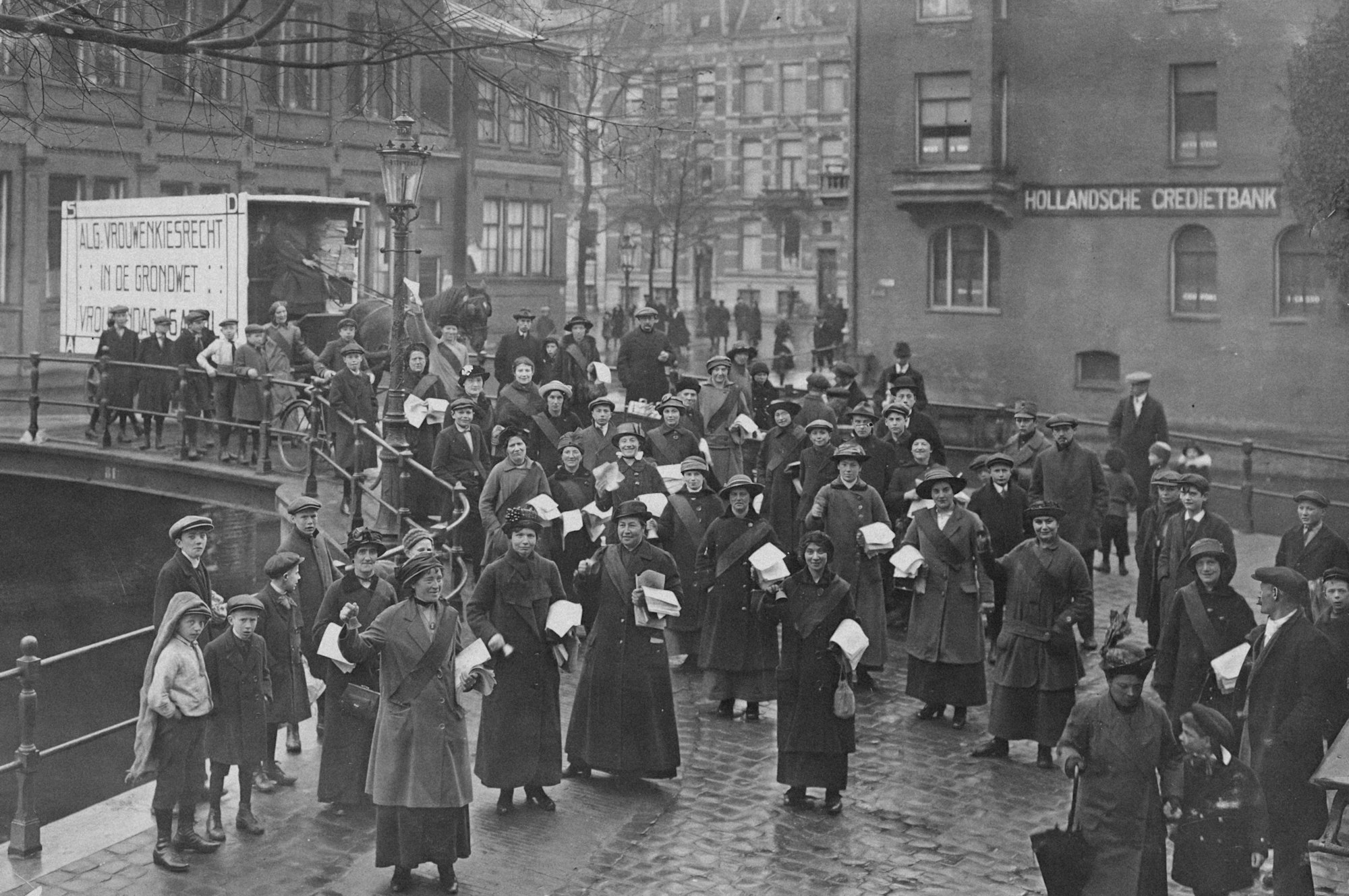
Every year on March 8th, the world pauses to acknowledge and celebrate International Women's Day, or as it's known in German, Welt Frauentag. More than just a date on the calendar, it is a powerful global movement, a testament to struggles past, and a beacon for future equality. This day is dedicated to recognizing the invaluable contributions of women across all sectors of society, transcending national, ethnic, linguistic, cultural, economic, and political divides. Yet, beyond the celebrations, Welt Frauentag serves as a crucial reminder of the significant disparities that persist globally, underscoring the urgent need for continued advocacy and action towards genuine gender equality.
The Genesis of Solidarity: From Suffrage to Socialism
The roots of International Women's Day stretch back over a century, emerging from the fervent socialist and women's suffrage movements of the early 20th century. While calls for women's rights had resonated for decades, it was the pioneering spirit of German socialist Clara Zetkin that truly catalyzed the formal establishment of a dedicated day. At the Second International Socialist Women's Conference in Copenhagen in 1910, Zetkin proposed the creation of an international women's day to press for women's suffrage and other rights.
The inaugural celebration took place on March 19, 1911, with millions of women and men participating in rallies across Austria, Denmark, Germany, and Switzerland. Their demands were clear and radical for the time: the right to vote, the right to hold public office, an end to sex discrimination in employment, and better working conditions for women. This early iteration of Welt Frauentag was a potent demonstration of collective power and shared aspiration.
The shift to March 8th, the date we observe today, has a poignant story tied to historical events in Russia. In 1917, amidst widespread food shortages and the ravages of World War I, women in Petrograd (now St. Petersburg) initiated a massive strike for "Bread and Peace." This powerful demonstration, occurring on the Julian calendar date of February 23 (which corresponds to March 8th in the Gregorian calendar), is often credited with igniting the Russian Revolution and proved instrumental in establishing the official date for International Women's Day. The sheer impact of women collectively demanding change solidified March 8th as a symbol of women's resilience and their capacity to drive monumental societal shifts. Decades later, the United Nations officially recognized March 8th as International Women's Day, transforming it into a global observance dedicated to women's rights and world peace.
A Global Imperative: Why Welt Frauentag Still Matters
Despite over a century of advocacy and progress, the stark reality is that the vision of complete gender equality remains distant. As the United Nations repeatedly highlights, the journey towards parity is far from over, making the observance of Welt Frauentag more critical than ever. In a recent sobering assessment, UN Women criticized the persistent disparities, noting a "devastating verdict" on global progress, emphasizing that much remains to be done.
Consider these alarming facts, which demonstrate the continued relevance and urgency of this global day:
- Legal Equality Remains Elusive: According to UN Women's findings, no country in the world has achieved full legal equality between men and women. This isn't just a theoretical gap; it translates into real-world disadvantages in protection, opportunity, and fundamental rights.
- Violence Against Women: A staggering number of countries (more than half) still do not define rape based on the absence of consent, a fundamental flaw that undermines justice for survivors. Furthermore, perpetrators of violence too often remain unpunished, a reality exacerbated by victims' fears of repercussions if they report abuse. The recent high-profile cases like Epstein and Pelicot tragically underscore how systemic failures enable such impunity, making ongoing advocacy through platforms like International Women's Day absolutely essential. In the past two years alone, the proportion of women and girls among victims of conflict-related sexual violence has surged to 87%, painting a grim picture of escalating threats. You can read more about these concerning trends and the UN's urgent warnings in our article: UN Warns: Why March 8th is More Crucial Than Ever for Women's Rights.
- Child Marriage: In a deeply troubling statistic, child marriages remain legal in 74% of countries, robbing girls of their childhoods, education, and autonomy, perpetuating cycles of poverty and inequality.
- Economic Disparity: The fight for equal pay for equal work continues. In 44% of countries, there is no law mandating equal remuneration for work of equal value, perpetuating a significant gender pay gap that affects women's economic independence and overall well-being. To delve deeper into the systemic issues contributing to these disparities, explore our article: Global Equality Gap: The Harsh Reality Behind International Women's Day.
These statistics are not just numbers; they represent millions of lives impacted by injustice, discrimination, and violence. They are the reasons why Welt Frauentag isn't merely a day of celebration, but a vital platform for protest, advocacy, and collective action to dismantle these entrenched barriers.
Beyond Celebration: Advocating for Change on March 8th and Beyond
While March 8th is a moment to applaud women's achievements and resilience, its true power lies in its ability to galvanize action against ongoing inequalities. From the streets of Berlin and Paris to Rio de Janeiro and Rabat, tens of thousands march annually to demand tangible progress. Their voices echo the calls for:
- Political Parity: In many parliaments worldwide, women's representation still lags significantly. Achieving gender parity in political office is crucial for ensuring that policies are inclusive and reflect the needs of half the population. The experience of female politicians, frequently subjected to threats, harassment, and sexist insults, highlights the systemic hurdles that must be overcome for true equality in public life.
- Ending Systemic Sexism: Sexism isn't always overt; it often manifests in subtle biases, microaggressions, and ingrained cultural norms that limit women's potential. Challenging these everyday instances of sexism, whether in the workplace or society at large, is paramount.
- Work-Life Balance: The disproportionate burden of unpaid care work often falls on women, impacting their career progression and economic independence. Policies supporting shared parental leave, affordable childcare, and flexible work arrangements are essential for fostering true work-life balance for all genders.
- Making March 8th a Public Holiday: In some regions, like Berlin, Welt Frauentag is a public holiday, recognizing its importance. Arguments for its widespread adoption as a holiday stem from the need to provide a dedicated day for reflection, advocacy, and recognition of women's historical and ongoing struggles.
The reluctance of some men to engage in discussions about gender equality, sexism, or work-life balance is a persistent challenge. Understanding the underlying reasons for this – perhaps fear of being blamed, discomfort with confronting ingrained biases, or a lack of direct experience with these issues – is vital for fostering more inclusive dialogue and collaborative solutions. Gender equality benefits everyone, creating more just, equitable, and prosperous societies.
Practical Steps Towards a More Equal Future
Every individual and community has a role to play in advancing gender equality. By taking even small, consistent steps, we can collectively contribute to meaningful change. Here are some actionable ways to contribute, not just on March 8th, but every day:
- Educate Yourself and Others: Make it a point to learn about the history of women's rights, current inequalities, and the pervasive impact of gender-based discrimination. Share this knowledge thoughtfully and respectfully within your networks.
- Speak Up: Challenge sexist remarks, discriminatory practices, and instances of violence against women whenever you encounter them, whether in person, in the workplace, or online. Your voice can make a difference.
- Support Women-Led Initiatives: Actively patronize businesses, artists, and organizations led by women. Consider volunteering or donating to charities and non-profits that specifically support women's empowerment and rights locally and globally.
- Advocate for Policy Change: Engage with your elected representatives and local policymakers. Support legislation that promotes equal pay, protects against violence, ensures political representation, and supports genuine work-life balance for all genders.
- Mentor and Empower: Actively seek to lift up women and girls in your professional and personal life. Offer mentorship, create opportunities, and provide unwavering encouragement for their ambitions and achievements.
- Be an Ally: Men have a crucial role to play as powerful allies. This means actively participating in discussions on gender equality, challenging patriarchal norms within their own spheres, and consciously sharing responsibilities in both public and private life. True progress requires collective effort.
Conclusion
Welt Frauentag, or International Women's Day, is a powerful annual milestone that encapsulates both the enduring fight for women's rights and the celebration of their immense contributions. From its origins in early 20th-century socialist movements and the struggle for suffrage, to its modern-day recognition by the United Nations, March 8th stands as a testament to collective action. While we acknowledge the remarkable progress made over the past century, the sobering reality of ongoing legal inequalities, pervasive violence, and economic disparities reminds us that the work is far from over. This day serves as a crucial call to solidarity, urging us all to move beyond mere recognition towards concrete action, ensuring that the promise of full legal, social, and economic equality becomes a lived reality for every woman, everywhere.