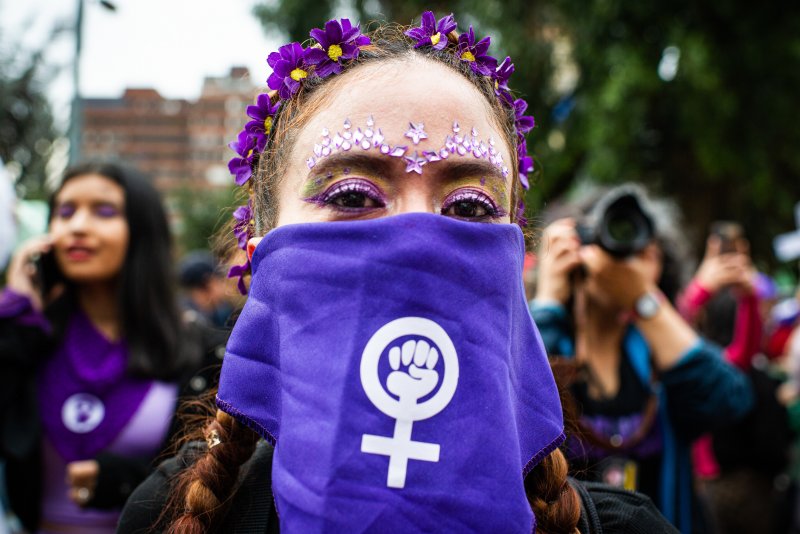
The Global Equality Gap: Unmasking the Harsh Reality Behind International Women's Day
Every year on March 8th, the world pauses to observe International Women's Day, known in German-speaking countries as Welt Frauentag. It's a day meant for celebration, to honour the incredible achievements of women across all sectors, cultures, and borders. Yet, beneath the surface of parades and proclamations, lies a stark and unsettling truth: the global gender equality gap remains devastatingly wide. Far from being a relic of the past, Welt Frauentag is, more than ever, a crucial reminder of how much work still needs to be done.
Recent assessments by the United Nations paint a sobering picture, revealing that true equality is not just a distant dream for many, but a reality actively denied to billions. While we applaud the progress made by trailblazers, we must also confront the persistent injustices that highlight why this day, more than a century after its inception, continues to be a vital call to action rather than solely a commemoration of victory.
UN's Dire Verdict: Why Welt Frauentag Remains a Necessity
Just ahead of recent Welt Frauentag observances, the United Nations delivered a damning indictment of the state of global gender equality. Sarah Hendriks from UN Women New York minced no words, stating unequivocally that “no country in the world has achieved full legal equality between women and men.” This isn't just a technicality; it translates into profound, life-altering disadvantages for women and girls worldwide. The statistics are horrifyingly clear:
- Rape Definitions: More than half the countries globally fail to define rape based on consent. This legal loophole perpetuates a culture where sexual violence is often trivialised or goes unpunished, further traumatising survivors.
- Child Marriage: A staggering 74 percent of countries legally permit child marriage. This practice robs millions of girls of their childhoods, education, health, and fundamental human rights, trapping them in cycles of poverty and abuse.
- Equal Pay: In 44 percent of nations, there is no law mandating equal pay for work of equal value. This systemic discrimination fuels the gender pay gap, impacting women's economic independence and long-term financial security.
- Conflict-Related Sexual Violence: In the past two years alone, the proportion of women and girls among victims of conflict-related sexual violence has surged to 87 percent. Hendriks sharply criticised the impunity enjoyed by perpetrators, stating, “far too often, the perpetrators go unpunished.” A key reason for this chilling reality is the pervasive fear among women and girls of the severe consequences they might face if they report these crimes.
High-profile cases, such as those involving Epstein and Pelicot, starkly illustrate the ongoing challenges and the deeply entrenched systems that enable such abuses. These instances serve as a brutal reminder of why the spirit and purpose of Welt Frauentag are as critical today as they ever were. The day stands not just for celebration, but for renewed commitment to dismantling these injustices.
The urgency of these issues underscores why the message from the UN is so crucial. For a deeper dive into the UN's warnings and the critical importance of March 8th for women's rights, read UN Warns: Why March 8th is More Crucial Than Ever for Women's Rights.
From Suffrage to Solidarity: The Evolving Purpose of Welt Frauentag
The roots of Welt Frauentag stretch back over a century, tracing its origins to the indomitable spirit of socialist movements and women's rights advocates. German socialist Clara Zetkin is credited with proposing the establishment of an International Women's Day at the Second International Socialist Women's Conference. The very first observance took place on March 19, 1911, with a primary objective of campaigning for women's suffrage.
The date eventually shifted to March 8th following a momentous women's strike in Russia, which played a pivotal role in the larger socio-political landscape of the time. Decades later, the United Nations formally recognised March 8th as the United Nations Day for Women's Rights and International Peace, cementing its global significance. The UN describes it as "a day when women are recognized for their achievements – without regard to national, ethnic, linguistic, cultural, economic or political differences."
Today, Welt Frauentag is a powerful global platform where groups and individuals unite to celebrate the advancements of women and advocate for their continued empowerment. It’s a day to reflect on how far we've come, but more importantly, to acknowledge how much further we still need to go to achieve true equity.
Beyond the Statistics: Everyday Struggles and the Call for Action
While global statistics are powerful, the fight for gender equality plays out in countless everyday scenarios, from bustling city streets to quiet homes. In countries like Germany, despite being a beacon of progressive values, the struggle persists. For example, the representation of women in the German Bundestag has not even reached one-third of mandates – a far cry from parity. This underrepresentation means that crucial legislative decisions might not adequately reflect the needs and perspectives of half the population.
Politicians themselves often share harrowing accounts of the misogyny they face daily: threats, harassment, and sexist insults simply for holding office. These experiences highlight that gender bias isn't confined to abstract legal frameworks but is a pervasive cultural issue impacting women in leadership. Debates also rage over why Welt Frauentag isn't a public holiday in all German states – many argue there are more than enough reasons to grant this recognition.
Perhaps one of the most frustrating aspects of this ongoing battle is the widespread reluctance of many men to engage with issues of gender justice, sexism, or work-life balance. Often, these conversations are perceived as "women's issues" rather than societal challenges that require collective effort. Understanding and addressing this disengagement is crucial for fostering meaningful progress. Gender equality is not a zero-sum game; it benefits everyone by creating more just, stable, and prosperous societies.
Practical Steps Towards a More Equal Future
Achieving true gender equality requires a multi-faceted approach, engaging individuals, communities, and governments alike. Here are some actionable steps we can all take:
- Advocate for Policy Change: Support organizations lobbying for equal pay laws, mandatory consent-based sex education, and stronger protections against gender-based violence. Engage with your local representatives to push for these changes.
- Challenge Stereotypes: Be mindful of the language you use and the media you consume. Challenge sexist jokes, gender stereotypes, and discriminatory behaviour in your daily life, whether in the workplace, at home, or in social settings.
- Support Women-Owned Businesses and Initiatives: Economically empower women by consciously choosing to support female entrepreneurs and businesses that champion gender equality in their practices.
- Promote Equal Division of Labour: In households, strive for an equitable distribution of domestic chores and childcare responsibilities. This sets an example for future generations and alleviates the disproportionate burden often placed on women.
- Educate and Raise Awareness: Learn about the history and ongoing struggles of women's rights. Share this knowledge with others, especially younger generations, to foster a deeper understanding and empathy.
- Foster Inclusive Workplaces: Employers should implement and enforce policies that ensure equal opportunities, provide flexible work arrangements, support parental leave for all genders, and actively combat discrimination and harassment.
- Demand Accountability: Support initiatives that hold perpetrators of violence and discrimination accountable. This includes advocating for robust legal systems and transparent reporting mechanisms that protect victims.
Conclusion: The Enduring Mission of Welt Frauentag
Welt Frauentag is not just a day off or an excuse for superficial gestures; it is a profound and necessary moment of reflection, celebration, and urgent advocacy. It reminds us of the incredible resilience and achievements of women globally, while simultaneously laying bare the deep-seated inequalities that continue to plague our world. The UN's stark findings underscore that we are far from the finish line. True equality demands more than annual acknowledgments; it requires sustained commitment, systemic change, and the active participation of every individual, regardless of gender. Until every woman and girl can live free from violence, discrimination, and economic disparity, the mission of Welt Frauentag will endure, serving as a powerful annual beacon for justice, dignity, and a truly equitable future.